As the temperatures drop and your lawn enters dormancy, there’s one last important step in the Lawnganics seasonal lawn care program: the winterizer application. This late-season treatment plays a crucial role in strengthening your turf for winter and setting the stage for a healthier, greener lawn next spring.
Below is your complete guide to winterizer benefits and essential late-fall lawn care tips—including leaf removal, proper mowing height, and how to protect your lawn once the ground freezes.
What Is a Winterizer?
A winterizer is a specialized fertilizer applied in late fall—typically after your final mow but before the ground freezes. Unlike spring fertilizers, winterizers focus on root development, helping your turf:
- Store essential nutrients through winter
- Build energy reserves
- Recover faster from winter stress
- Green up earlier in spring
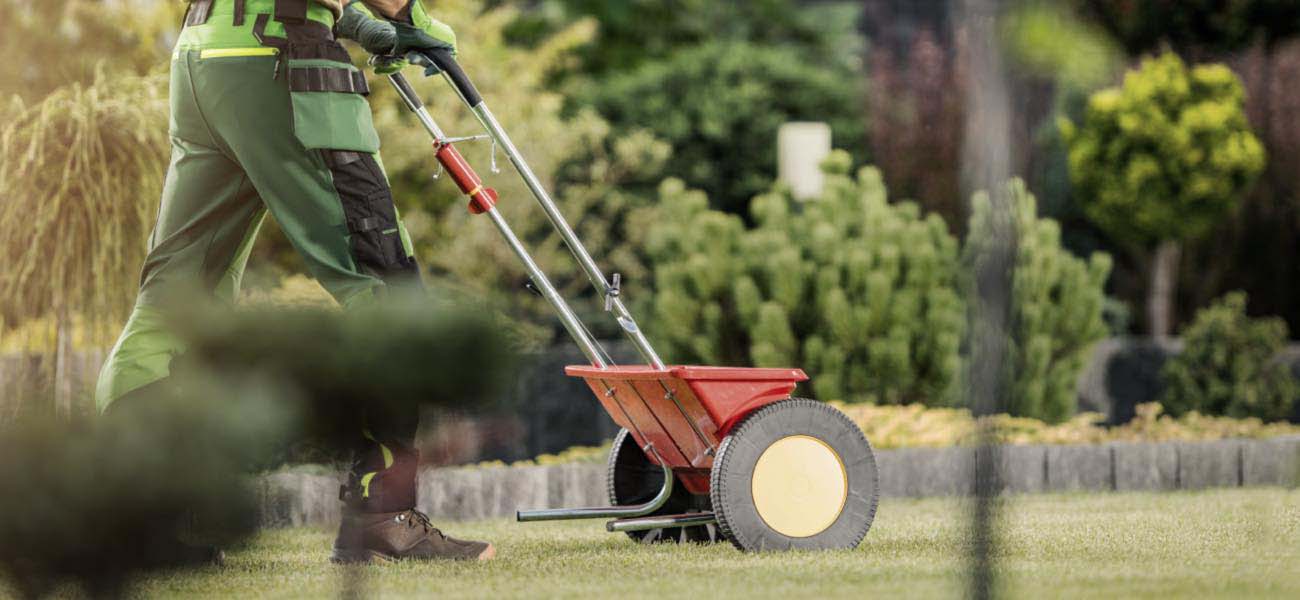
Lawnganics’ winterizer is formulated to strengthen turf at the root level, ensuring your lawn heads into the cold months with everything it needs to thrive come spring. It is art of our professional lawn treatment and lawn treatment plans designed for year-round lawn health.
Why Timing Matters
A winterizer should be applied when the grass has stopped growing above the soil, but roots are still active. In most regions, this is after the first few hard frosts but before the ground freezes solid.
This timing allows the nutrients to be absorbed efficiently—feeding the roots, not the blades. For best results, schedule your winterizer application with local lawn care specialists to ensure proper timing and coverage.
Late-Fall Lawn Care Instructions
1. Remove Leaves Before the Snow Arrives
Leaving leaves to mat on your lawn through winter prevents airflow, traps moisture, and increases the risk of fungal diseases, including snow mold.
Before winterizer application—and certainly before snow—make sure to:
- Rake or blow leaves off the lawn
- Mulch only if leaves are sparse and finely chopped
- Keep the yard clear throughout late fall
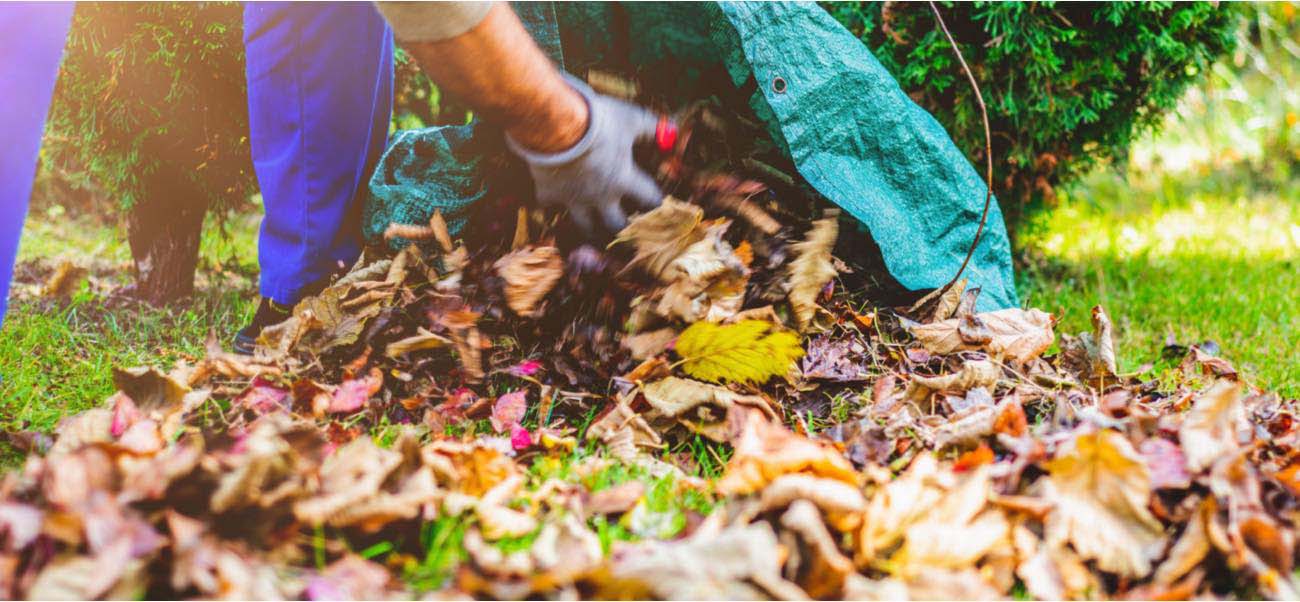
A clean lawn allows the winterizer to reach the soil effectively and helps your grass breathe before snowfall.
2. Mow Shorter for the Final Cut
For the last mow of the year, lower your mowing height to around 2–2.5 inches.
A shorter cut helps:
- Prevent snow mold, which thrives in long, matted grass beneath snow
- Improve airflow at the soil line
- Reduce the chance of rodent nesting in taller grass
Avoid scalping—never remove more than 1/3 of the blade at once—but do bring the height down gradually during your last few mowings.
3. Avoid Traveling Across Frozen Grass
Once temperatures stay consistently below freezing, your turf becomes more delicate. Walking or driving across frozen grass can fracture the blades at a cellular level, leaving brown footprints or even longer-term damage come spring.
To protect your lawn:
- Minimize foot traffic on frosty mornings
- Avoid storing heavy equipment on the turf
- Keep sidewalks and pathways clear to redirect movement away from frozen grass

Frozen turf is brittle—treat it gently to avoid injury that can show up months later.
What to Expect in Spring
A properly fertilized and cared-for lawn will:
- Green up earlier
- Fill in more uniformly
- Recover from winter stress faster
- Resist early-season weeds more effectively
The winterizer truly sets the stage for next year’s success.
Final Thoughts
Giving your lawn a strong finish before winter pays off in a big way. With a thorough leaf cleanup, the right mowing height, gentle winter traffic habits, and a high-quality Lawnganics winterizer application, your turf will be well-prepared for a healthy, vibrant spring revival.
If you’d like help scheduling your winterizer treatment or want a full end-of-season lawn health assessment, Lawnganics is here for you!